

How to Choose the Right Weaning Highchair for Your Baby
Weaning is one of the biggest milestones in your baby's first year, and the right highchair makes those early messy mealtimes safer, easier and a lot more enjoyable for everyone. With so many options on the market, choosing a weaning highchair can feel overwhelming. This guide walks you through exactly what to look for, from safety essentials to design details, so you can pick a highchair that works as hard as you do.
When Should You Start Using a Highchair for Weaning?
Most babies are ready to begin weaning, and start using a highchair, from around six months of age, once they can sit upright with good head and neck control. According to NHS guidance on introducing solid foods, starting solids too early or too late can affect how well your baby takes to weaning, so it's worth checking the signs of readiness before you begin. A highchair that supports your baby securely from this stage, and adapts as they grow into toddlerhood, is one of the best investments you can make for family mealtimes.
Key Features to Look For in a Weaning Highchair
Safety First: Harness and Stability
A secure five-point harness is non-negotiable for weaning highchairs, keeping your baby safely seated at the shoulders, waist and between the legs while they explore new textures and flavours. Look for a wide, anti-slip base that won't tip or wobble as your toddler wriggles, reaches, or pushes against the tray.
Easy to Clean
Weaning is wonderfully messy. A wipe-clean seat pad, a dishwasher-safe tray, and minimal fabric or crevices where food can hide will save you significant time at the end of every meal. Removable seat liners are a genuine game changer for busy households.
Adjustability That Grows With Your Baby
The best highchairs aren't just for the weaning stage. Look for adjustable seat height, a reclining backrest for younger babies, and a footrest that moves as your child's legs grow, so the highchair remains comfortable and supportive well into toddlerhood.
Design That Suits Your Home
Highchairs live in your kitchen or dining room for years, so it's worth choosing one that complements your home rather than simply tolerating it. Compact footprints, discreet wheels for moving the chair out of the way, and a considered colour palette all make a difference to daily life with a growing family.
Introducing the egg® Highchair
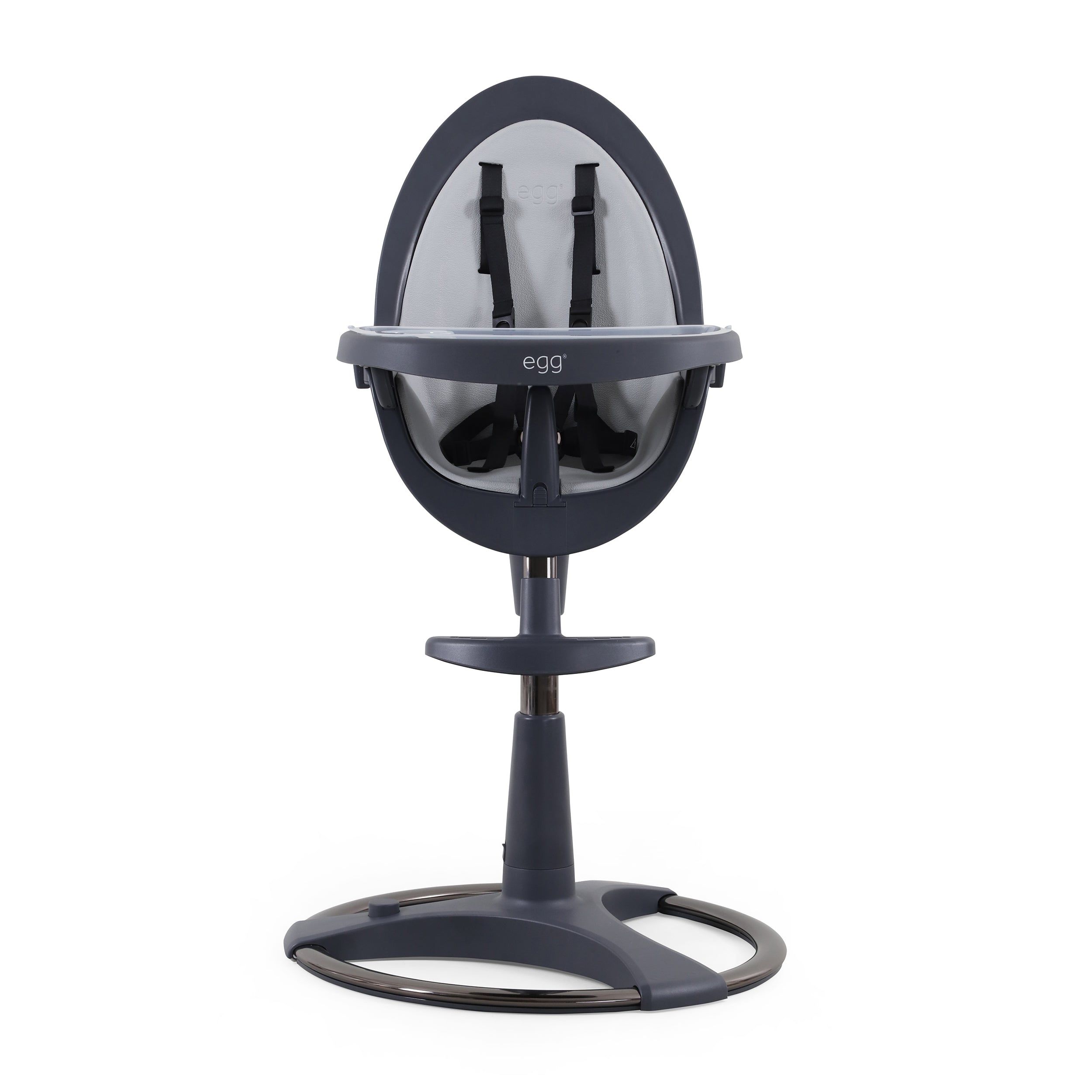
Designed to bring the same precision engineering and timeless styling as the egg3® stroller into your home, the egg® Highchair combines every feature parents look for in a weaning highchair with the signature egg® contoured silhouette. It's suitable from 6 to 36 months (up to 15kg), with a magnetic five-point harness, a three-position meal tray with cup holder, and a dishwasher-friendly upper tray.
As your baby grows, the seat offers four height settings, adjustable recline, and a three-position footrest, while 360° rotation with locking positions makes it easy to turn your little one to face the table or the rest of the room. Discreet wheels and an anti-slip base mean the highchair can be moved around the kitchen without any fuss.
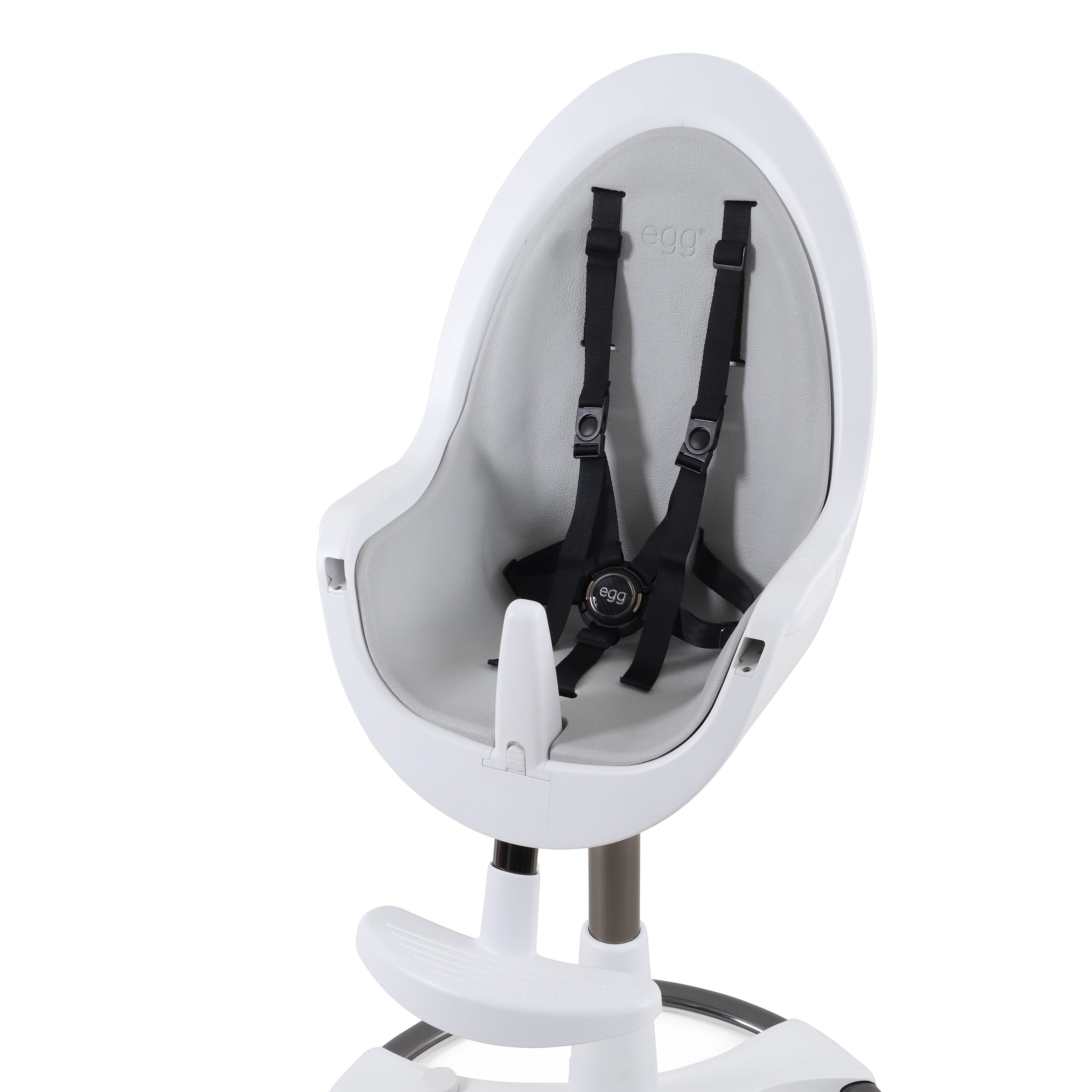
Each egg® Highchair comes with a soft, wipe-clean EVA seat pad as standard, and an additional seat liner can be purchased separately, ideal for keeping things fresh between washes. If you're building out your home nursery, the highchair pairs beautifully with the egg® Smart Motion Rocker for the months before weaning begins.
How Much Should You Invest in a Weaning Highchair?
Highchair prices vary enormously, from budget fold-flat models under £50 to premium designs that top £400. It's tempting to opt for the cheapest option, especially for a piece of equipment your baby will eventually outgrow, but a highchair used daily for two to three years is one of the hardest-working items in your home. A well-built model with a durable frame, replaceable parts such as seat liners, and genuine growth adjustability often works out better value over time than replacing a budget chair every year.
Think about how long you realistically want the highchair to last, how many mealtimes a day it will see, and whether it needs to suit a small kitchen or an open-plan family space. These practical questions matter just as much as the price tag when you're weighing up which highchair is right for your family.
Common Weaning Highchair Mistakes to Avoid
Even well-prepared parents can make a few avoidable missteps when choosing a first highchair. Here are the most common ones to watch for:
- Choosing on looks alone. A highchair needs to be safe and functional first, stylish second.
- Skipping the harness check. Always use the full five-point harness, even once your baby can sit unaided.
- Ignoring growth room. A highchair that only suits the weaning stage will need replacing within months.
- Overlooking cleaning time. Fabric seat pads without wipe-clean or removable covers add unnecessary daily effort.
- Forgetting about space. Measure your kitchen or dining area before buying, especially with trays extended.
Frequently Asked Questions
What age should my baby start using a highchair for weaning?
Most babies are ready from around six months, once they can sit upright with good head and neck control, in line with NHS weaning guidance.
What safety features should I look for in a weaning highchair?
A secure five-point harness, a wide anti-slip base, and a stable frame that won't tip when your baby leans or pushes against the tray are essential.
Does the egg® Highchair fold for storage?
The egg® Highchair doesn't fold flat, but its 360° rotating seat and discreet wheels make it easy to reposition or move out of the way between meals.
How do I clean the egg® Highchair?
The seat pad is wipe-clean, the upper tray is dishwasher-friendly, and the anti-slip post is removable for easier access when cleaning.
Can the egg® Highchair be used beyond the weaning stage?
Yes. It's suitable from 6 to 36 months (up to 15kg), with adjustable height, recline and footrest positions so it grows alongside your child well past the initial weaning stage.